The Great Platform Debate: Convenience vs. Control
In 2026, choosing an eCommerce platform is no longer just a “design” decision. It is a fundamental choice between renting your digital infrastructure or owning it.
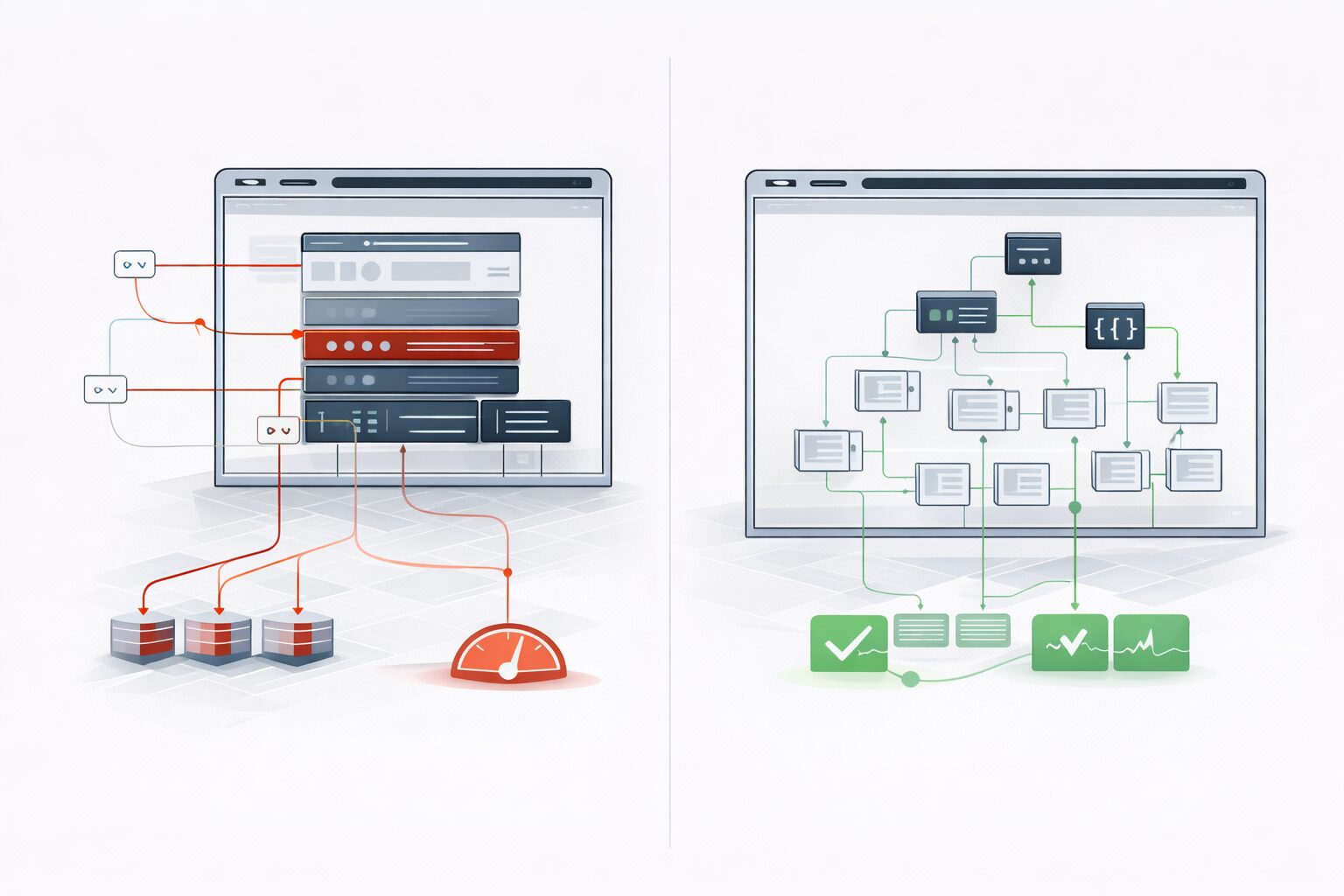
Shopify has built a massive market share by offering “convenience.” It is the fast-food of eCommerce: predictable, easy to consume, and requires zero cooking. But for brands that view search visibility as their primary moat, Shopify’s rigid technical boundaries eventually become a cage. WooCommerce, powered by WordPress, remains the “Owner’s Choice” because it provides the one thing Shopify cannot: Total Technical Sovereignty.
Which platform is better for SEO: Shopify or WooCommerce?
WooCommerce is the best eCommerce platform for SEO because it offers total control over the technical baseline. While Shopify provides solid “out-of-the-box” basics, WooCommerce allows for granular optimization of URL structures, advanced schema markup, and deeper content integration via WordPress. For brands prioritizing AEO (Answer Engine Optimization) and long-term organic growth, WooCommerce provides the flexibility required to outrank competitors on complex search queries.
The SEO “Ceiling” of Shopify: Where Hosted Platforms Fall Short
Shopify is an excellent “starter” platform, but it enforces a rigid URL structure that can hamper advanced SEO strategies. Every product must live under /products/ and every collection under /collections/. This lack of hierarchical flexibility prevents you from building the “silo” structures that modern search engines, and AI discovery tools, use to understand topical authority.
Furthermore, Shopify’s reliance on third-party apps for basic SEO tasks (like advanced schema or bulk redirects) creates a “Performance Tax.” Each app adds a script to your site, slowing down your technical baseline and potentially hurting your Core Web Vitals.
The “Owner’s Choice”: Why WooCommerce Dominates for Search
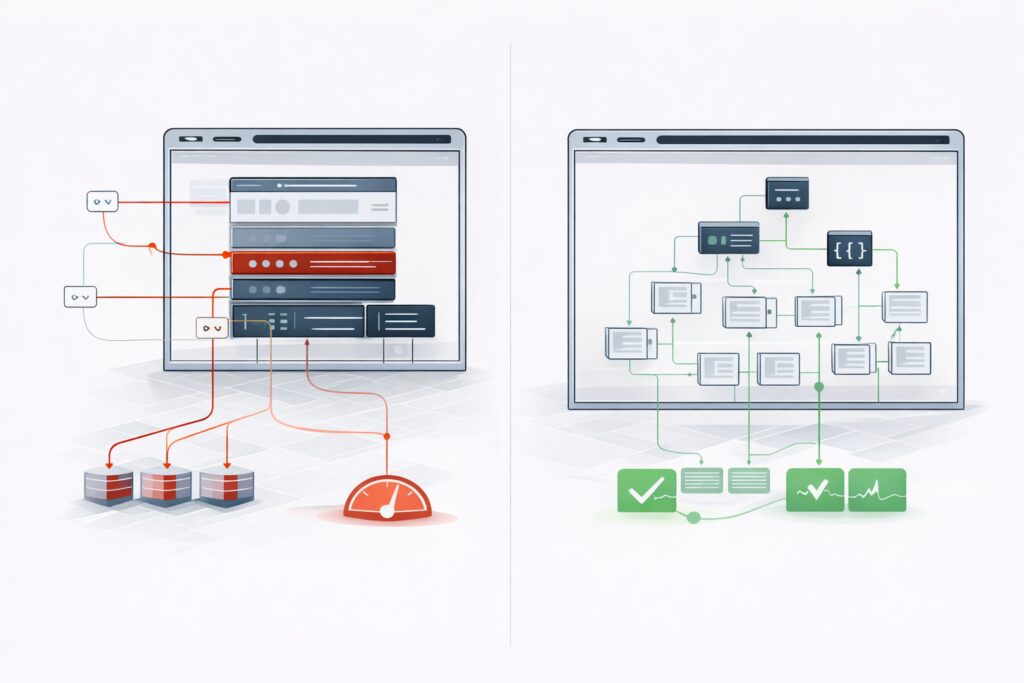
When we discuss the best ecommerce platform for seo, WooCommerce wins because it inherits the “SEO DNA” of WordPress.
Granular Technical Control
With WooCommerce, you have “Absolute Access.” You can modify the .htaccess file, customize the robots.txt beyond Shopify’s basic editor, and use plugins like RankMath or Yoast to manage deep-layer technical signals. This level of control is essential for GEO (Generative Engine Optimization), where your content must be perfectly structured for AI to extract and cite.
Content as a Conversion Lever
ECommerce SEO in 2026 isn’t just about product pages; it’s about the “Information Layer.” WordPress remains the world’s premier blogging engine. By running WooCommerce, your store and your high-authority blog live on the same technical foundation, allowing link equity to flow seamlessly between your guides and your revenue pages.
Shopify Transaction Fees: The Hidden Cost of “Easy”
One of the primary drivers for a Shopify migration isn’t just SEO, it’s the math. Shopify charges a “Transaction Fee” (ranging from 0.5% to 2.0%) if you don’t use their proprietary payment gateway.
For a brand doing $1M in annual revenue, you could be paying up to $20,000 a year just for the “privilege” of selling on their platform. By moving to WooCommerce via a professional Shopify migration service, you eliminate these platform taxes entirely. That “found money” can then be reinvested back into your SEO strategy, creating a compounding growth loop.
Preserving Rankings: The Anatomy of a Seamless Shopify Migration
The biggest fear for any brand is losing traffic during a move. A “Seamless Shopify Migration Service” isn’t just about moving product photos; it’s about SEO Preservation.
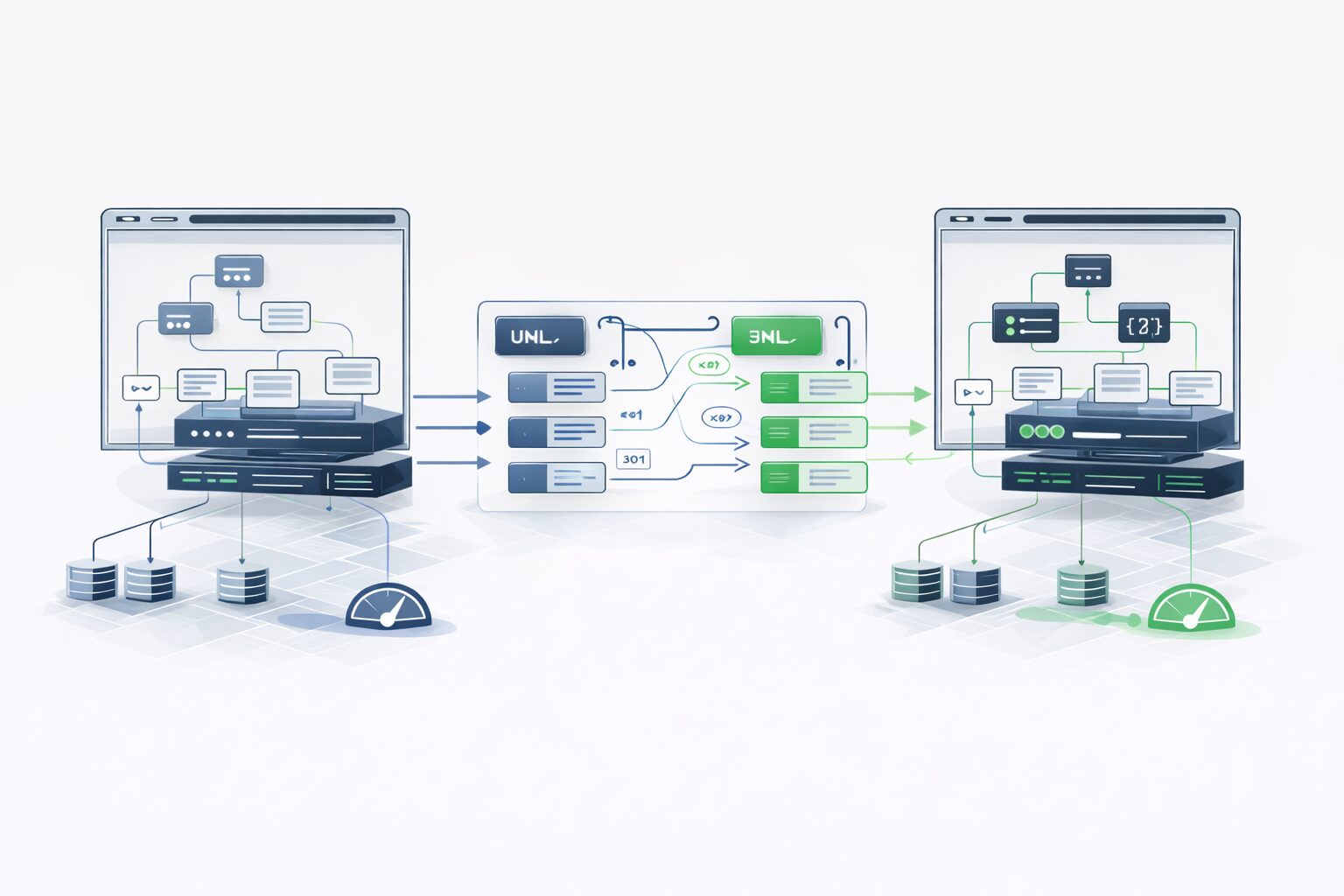
- URL Mapping: Every old Shopify URL must be 301-redirected to its new WooCommerce equivalent.
- Metadata Parity: We ensure your Title Tags, H1s, and Meta Descriptions move with you, so your “Ranking DNA” stays intact.
- Schema Migration: Your product reviews and “In Stock” signals must be re-mapped so your rich snippets don’t disappear from the SERPs.
Ownership Benefits That Fuel Long-Term Growth
Choosing the “Owner’s Choice” means building on a foundation that you, not a SaaS company, control.
- Zero Transaction Fees: Keep 100% of your margin (minus gateway fees). No platform taxes.
- Unlimited Scalability: WooCommerce handles 100,000+ SKUs with the same efficiency as ten, provided your hosting is optimized.
- Technical Sovereignty: You decide when to update, what code to run, and how your data is stored.
- AEO Readiness: Use bespoke schema blocks to ensure your products are the “Primary Source” for AI answer engines.
The choice between Shopify vs WooCommerce is a choice between a short-term shortcut and a long-term asset. If you are tired of platform restrictions and transaction fees, it is time to take ownership of your infrastructure.
Ready to own your SEO future? Book a Call to Discuss Your Shopify Migration Roadmap
6 Frequently asked Questions for eCommerce Platform Selection
Which platform is cheaper in the long run: Shopify or WooCommerce?
WooCommerce is typically more cost-effective at scale. While Shopify has a predictable monthly fee, its transaction fees and app subscriptions compound as you grow. WooCommerce has higher initial setup and hosting costs, but zero platform fees, making it significantly cheaper for high-volume stores.
Will I lose my SEO rankings if I migrate from Shopify to WooCommerce?
Not if the migration is handled correctly. By using a professional Shopify migration service that prioritizes a “1-to-1” 301 redirect map and metadata parity, you can preserve, and often improve, your search rankings.
Is WooCommerce harder to manage than Shopify?
WooCommerce requires more “technical maintenance,” such as managing updates and security. However, for a serious business, this is a small price to pay for total control. Most of our clients use our technical support services to handle the “boring stuff” while they focus on growth.
Can WooCommerce handle large product catalogs?
Yes. Some of the world’s largest eCommerce sites run on WooCommerce. The key is having a high-performance “Technical Baseline” (hosting and caching) and optimized database management, which we implement for every large-scale build.
What is the “Shopify Transaction Fee” exactly?
It is a fee Shopify charges you for every sale you make if you use an external payment processor (like Stripe or PayPal) instead of Shopify Payments. These fees can reach up to 2% of your total turnover, significantly eating into your margins.
Why is WooCommerce better for “Answer Engine Optimization” (AEO)?
AEO requires highly specific, structured data that AI models can “digest.” WooCommerce allows for custom-coded schema blocks and unlimited content flexibility, making it easier to format your data in a way that AI engines prefer to cite.